For individuals
Sharpen your own thinking and decisions.
Learn the fundamentals, then apply them to the goal or decision that feels stuck.
Coaching with Dr. Alan BarnardWelcome to Goldratt Research Labs
Then you know where to focus next.
Goldratt Research Labs (GRL) was co-founded by Dr. Eli Goldratt, creator of the Theory of Constraints (TOC), and Dr. Alan Barnard.
For more than 15 years we have turned rigorous research into practical tools that help leaders make better, faster decisions when a goal, problem or decision feels impossible.
We have advised decision makers at




















Including Intel, Boeing, Siemens, Cisco, De Beers and the World Food Programme.


Six pairings, ONE focus
Solved? Go round again: next problem, or next constraint.
I want to end off in the last few minutes just with a slide that I think sort of captures my insights over the last 30 years of applying Theory of Constraints. I was presenting this recently to the platinum group for Tony Robbins. They gave me an opportunity to say, “How would you present Theory of Constraints in ONE slide?” And I realized that to maintain focus, you need to think about ONE-to-ONE pairings, in the same way that it was a discovery by Eli that: think strategy, tactic. Don’t think strategy tactics. There’s a strategy as the objective that you’re trying to achieve. Tactic is the best way of getting there. How do I maintain that ONE-to-ONE pairing throughout?
I have a goal. There’s work that I have to do to achieve the goal. The work follows a process. I need resources to man the process. The goal puts a demand. It tells me what I need of each resource, and then I can compare it with what I have. Any resource I don’t have enough of is a constraint. It’s a flow rate constraint. If I get more of that, I could have more of the goal. But there’s also a flow time constraint. Sometimes I have enough, but I’m not doing it fast enough. So now I’m plotting out my total lead time there. Can you notice the little cycle times of ABC as a small fraction? The majority of the time is lost in backlog or queuing, and I’m going, “What’s my flow time constraint?”
So I end up with, what is the constraint? This could be at the system level. It could be at the department level. It could be at a process level. The goal of the system is placing a demand on my department. What don’t I have enough of? Then I go ONE constraint, ONE problem. There’s now a gap between what I have and what I need. Pareto principle applies. It’s fractal. It applies on itself. What does it mean? 20% of 20% will give me 80% of 80% of that gap. I can apply it again. ONE problem typically explains 51% of that gap. That’s the ONE problem I’m looking for. Simulation is a great way to find out what that ONE problem is.
Now I have the problem. I now go to the next pairing. ONE problem, ONE conflict. Problem solving is finding a solution to a problem. Innovation is finding a solution to a problem without trade-offs. Writing out my pro-con cloud in the form of, “I feel pressure to implement the solution to solve the problem, but I have an alternative, either the status quo or another alternative.” Each of these options have pros and cons. The listing of the pros and cons help me to understand the trade-off. Helps me to understand why we get stuck, why we might overreact or underreact. And then I’m going to the next pairing, which is, now I have ONE conflict. I’m looking for ONE innovation. Find the ONE thing that can give me all the pros without any of the major cons. That’s true innovation. That’s what’s embedded into our pro-con cloud method. What’s the important problem? What’s the conflict? What’s the innovation? What’s all the yes-buts from the stakeholders? What do I have to add? And then I go from innovation to ONE experiment.
I’m doing the experiment. I’m testing out this innovation. And that’s, again, where the simulation models come in, because they can allow us to test that hypothesis about what the solution is to the ONE problem in a very low cost, low risk way without taking major risk for the company. And what I want to check is, is the problem solved? And if it is, then I repeat the cycle. Next problem or next constraint. And I can apply this process at the system level or any subsystem level. I hope that makes sense to everybody.
If you’re a subsystem, doesn’t matter how big, the question is, your goal, you can’t determine the goal. The goal has been decided on. You have to understand that goal puts a demand on your department or your process. Do you have enough? Are you doing it fast enough? Which constraint do you have? Do you have a flow rate constraint where you need to do more? Or do you have a flow time constraint where you have to do it faster to meet the requirements of the system? Regardless of which type constraint, what’s the problem? Either the problem that’s causing you to lose throughput, we must stop doing this, focus on the highest value added, or simply get more, it’s an elevation conflict. Or if it’s a flow time constraint, what’s causing the most delay? And that’s the cycle that we go through. I hope that was useful and I’m looking forward to all the comments and questions. I’m sure that there’s going to be a lot of challenges as well. Thank you.
Where to start
Same question, three starting points: what is the ONE thing limiting results right now?
For individuals
Learn the fundamentals, then apply them to the goal or decision that feels stuck.
Coaching with Dr. Alan BarnardFor organizations
See what others achieved, then test changes safely in a Digital Twin before you commit.
Start a conversationFor advisors and educators
Simulations, apps and research you can bring into workshops, classrooms and client work.
Browse all products and resourcesThe Theory of Constraints
Find the few weak links that hold back the whole system, then focus on the ONE that limits results.
Most links in a system are strong.
A few links may be holding you back.
ONE link limits your results the most.
“Do not dare stand in my shadow.
Stand on my shoulders.”
Dr. Eli Goldratt, to Dr. Alan Barnard
What happens to a body of knowledge when its creator is gone?
It could be admired and kept exactly as it was. That honors the founder. It can also slowly freeze the ideas in place.
Or it could be tested against new problems and new technology, with respect and curiosity. Both paths honor him. Only ONE keeps the ideas alive. We chose the second.
By asking ... “It's impossible, unless ...?”
Mentor, partner, co-founder
Dr. Eli Goldratt and Dr. Alan Barnard worked side by side for nearly two decades, building and advancing the Theory of Constraints.
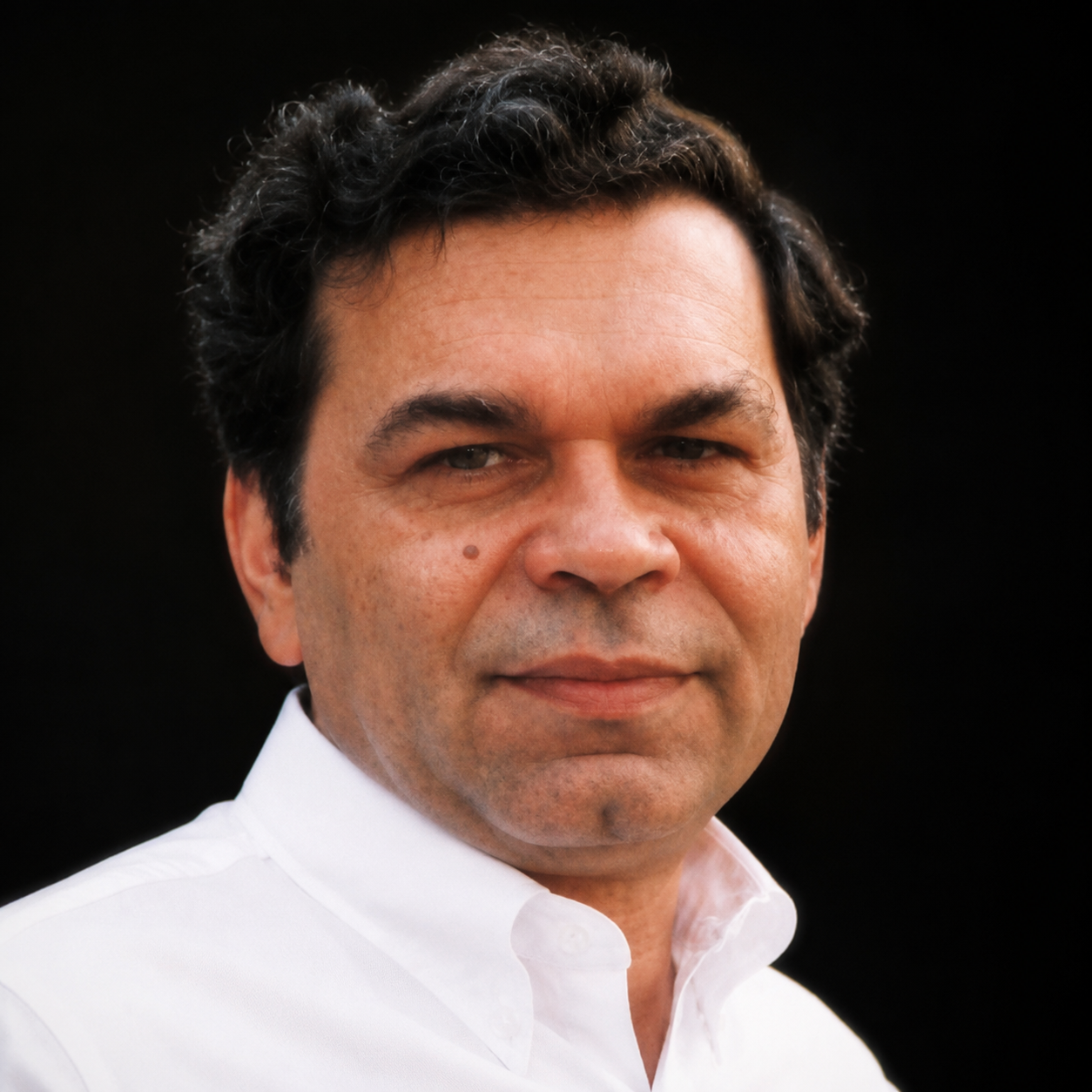
Creator of Theory of Constraints
Visionary thinker who revolutionized business management with the Theory of Constraints methodology, inspiring millions worldwide through his groundbreaking book The Goal.
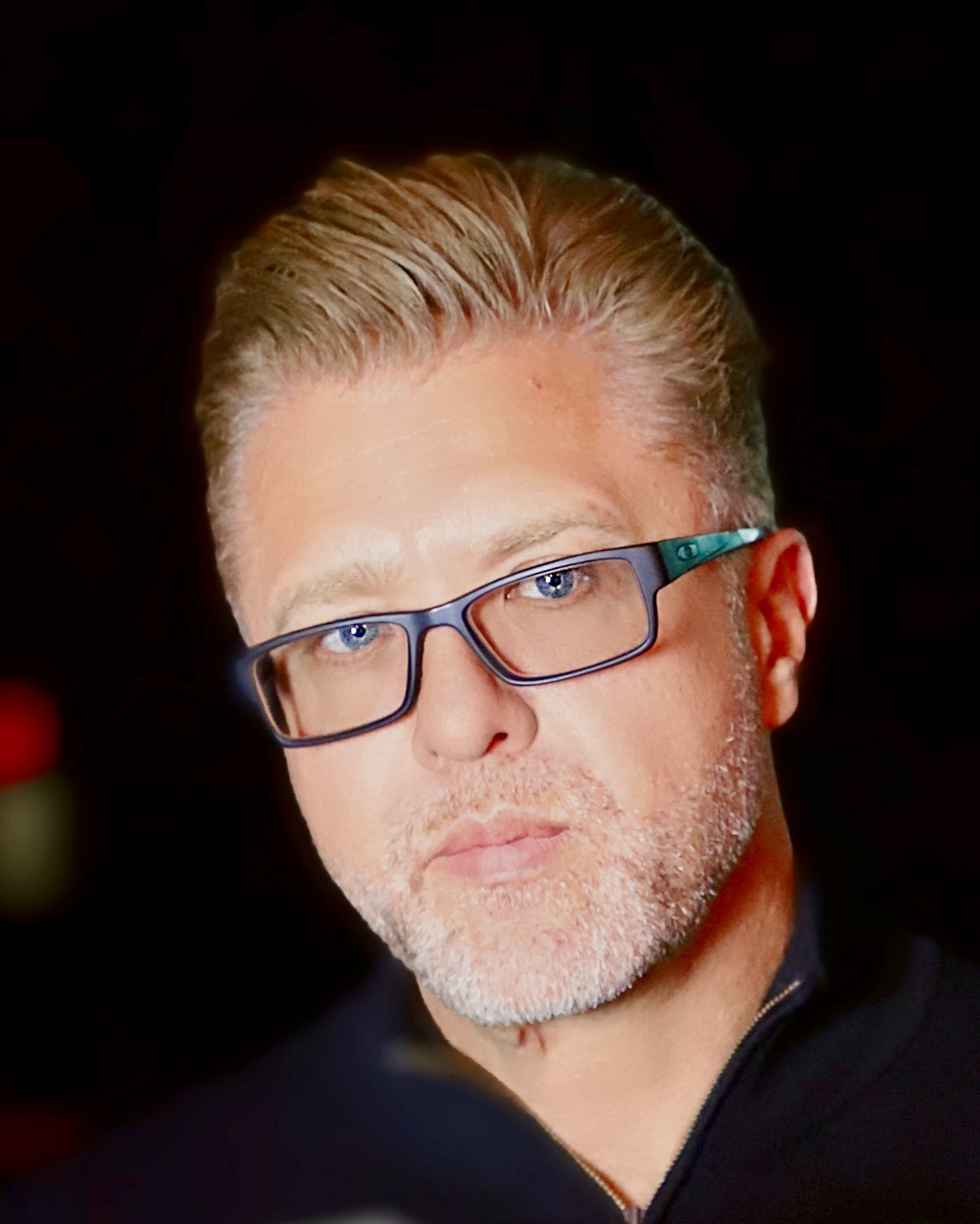
Co-Founder & CEO
World-leading decision scientist advancing Dr. Goldratt’s legacy through research, innovation, and practical TOC solutions that deliver breakthrough results.
Our team
Ideas only matter when someone turns them into something that works on Monday morning.
Engineers, simulation scientists, strategists and advisors, each bringing a different lens to the same question: what is the ONE thing to focus on next?
Read the full team bios
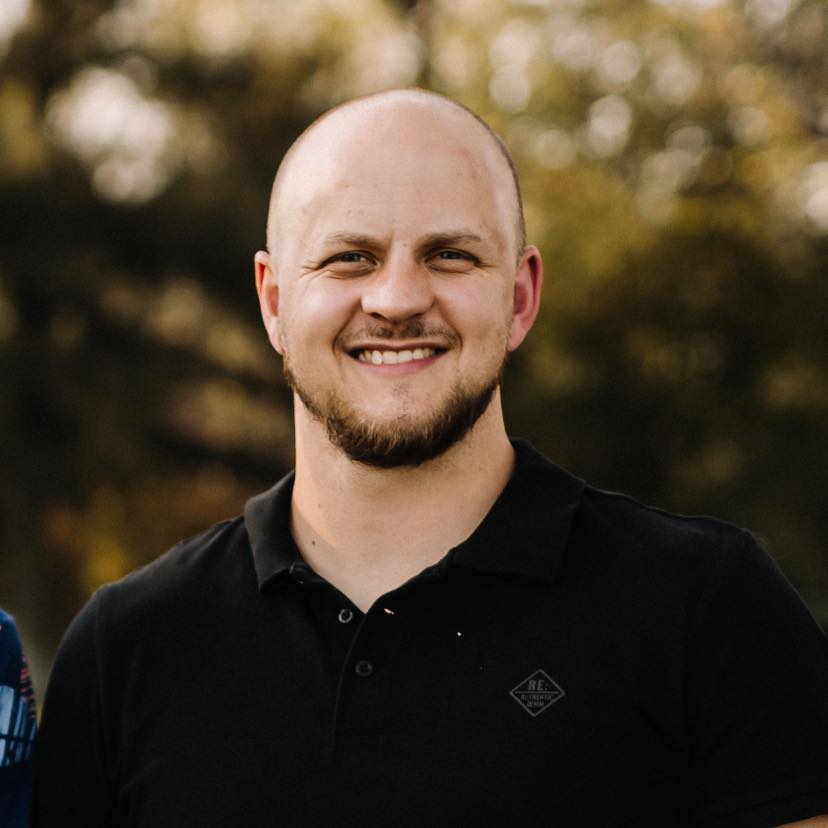
VP of Technology
Leads end-to-end supply chain simulation projects, with five years in senior roles at BHP Billiton. BSc in Industrial Engineering, completing an MSc in Simulation.
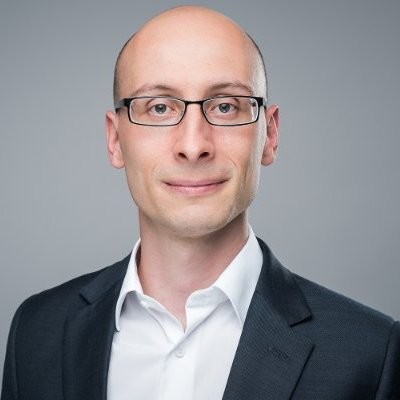
Simulation
A recognized voice in simulation: keynote speaker, podcast co-host and blogger. PhD in Complex Systems Simulation from the University of Southampton, formerly with decisionLab and McKinsey & Company.
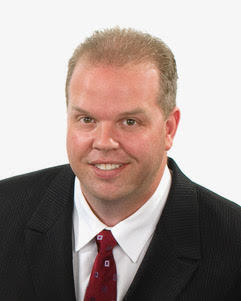
Operations Improvement
Three decades applying TOC, Lean and Six Sigma across manufacturing, maintenance, repair and overhaul (MRO), and project environments. BSc in Manufacturing Engineering.
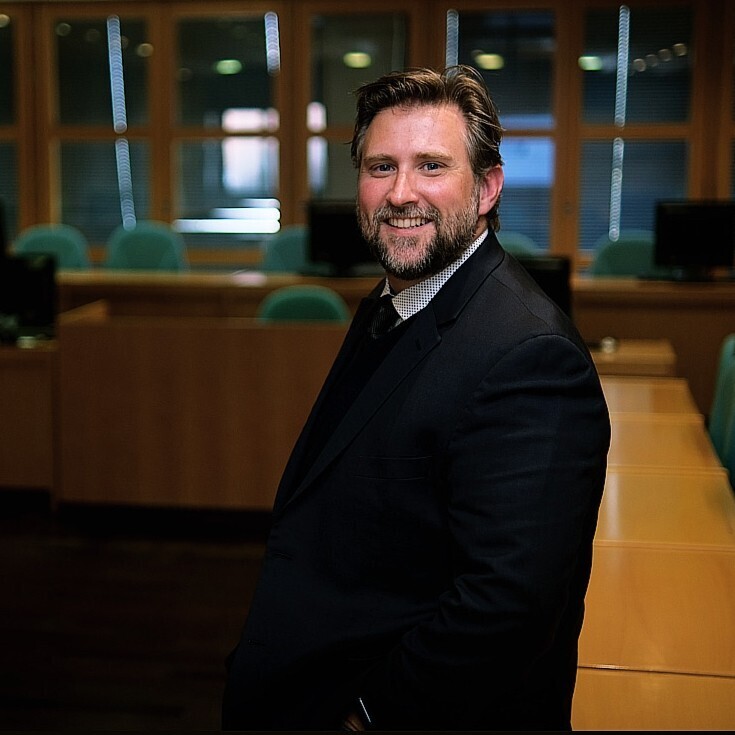
Business Development
Pete brings 20 years of marketing and business development in hospitality and gaming. PhD in Global Leadership and Change, and an Executive MBA.

Projects and Simulation
Industrial engineer focused on TOC, Lean Production and continuous improvement. Works on customer projects, simulation modeling and digital marketing.

Content Strategy
Architect with a Master's in Architecture who brings systems thinking to how advanced TOC applications, like the Project and Inventory Digital Twins, are explained and developed.

Sales and Events Support
Joined in December 2024. Plans and supports sales initiatives, manages event registrations, coordinates webinars and helps customers with their concerns.
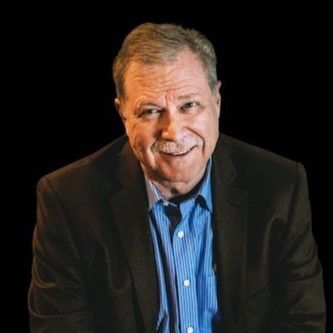
Fractional CFO
Tax strategist and author of The Strategic Taxpayer Manifesto. Heads the National Academy of Tax and Financial Strategists.
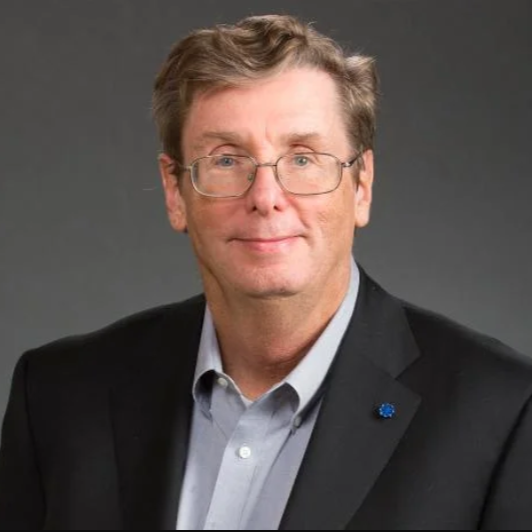
Advisor
President and CEO of SRI International from 1998 to 2014, when SRI helped create Siri, HDTV and Intuitive Surgical. Founder of The Practice of Innovation.
Standing on shoulders, then seeing further
They build on Dr. Eli Goldratt, Russell Ackoff, Nassim Taleb and others.
Are they all equally useful?
Of course not.
But a handful have become everyday tools for leaders, teams and coaches around the world.
Invented during an engagement with Cisco. ONE picture of work entering, flowing through and leaving a system, now used by Agile and Kanban teams everywhere.
A five-step way to resolve hard decisions, each step designed to prevent ONE of five common decision mistakes. The engine inside the award-winning Harmony Decision Maker.
Progress gets stuck at ONE of six stages. Find which ONE, and you know the ONE thing to focus on next.
Random, Reflex, React, Respond, Resonance. Extends Jack Canfield's E + R = O and names the mind's three constraints: attention, trust and energy.
Expands Nassim Taleb's framework with a fourth system type, Boom-Bust, and a Step 0 that comes before limiting downside and capturing upside.
A chain is only as strong as its weakest link.
But is strength always the goal?
Every part chooses its goal by its contribution to the system goal.
Do MORE only until demand is met.
After that, the right goal is faster, better, cheaper or simpler.
Local optimum Every part pushes to do more of everything. Inventory piles up, queues grow, results stall.
System contribution Each part asks: what does the system goal need from me? Then picks ONE goal and finds ONE link.
Illustrative examples, not fixed department targets. Each part chooses the goal that best supports the system goal.
More output
Weakest link
Not meeting demand? Do MORE, but only until demand is met. Strengthen the weakest link.
Less time
Longest link
Demand met but too slow? Shorten the longest link, the step where work waits most.
Fewer defects
Faultiest link
Quality falling short? Fix the faultiest link, where most errors start.
Lower cost
Heaviest link
Costs too high? Lighten the heaviest link, the ONE carrying most cost.
Less complexity
Unnecessary link
Too complex? Remove the unnecessary links nobody downstream needs.
Results
Not always a small, steady gain.
Sometimes a turnaround nobody thought possible.
Here are four.
Microsoft · Global supply chain
Inventory reduction, with service levels up 5% and more than $100M in markdown savings. Implemented in under nine months.
“The outcome has been nothing short of remarkable.”
Robert Meshew, CTO, Microsoft Global Supply Chain
Premier Foods · South Africa
Shareholder value grew 7,300% over seven years after implementing the Theory of Constraints with Dr. Alan Barnard and the Goldratt Research Labs team.
“Alan has a knack for relentlessly making you think beyond obvious and marginal solutions.”
Ian Visser, CEO, Premier Foods
Tata Steel Europe · United Kingdom
Swing in ONE year. A business facing closure went from losing £1M a day to making £1M a day, and more than 6,000 jobs were saved.
With Bimlendra Jha, former Executive Director, Tata Steel Europe
Global turbine manufacturer · Projects
Swing on a project portfolio headed for a $181M loss and more than two years late, using simulation and Critical Chain Project Management across more than 100 programs.
Client perspectives
Leaders share what changed after working with Goldratt Research Labs.
“Alan is ONE of the most brilliant, meticulous, and practical people I have ever met, combining deep insight with the rare ability to turn breakthrough ideas into real-world results.”

“Few have continued developing the Theory of Constraints body of knowledge like Alan Barnard. His work has truly enriched the world.”
“His work is impeccable; he’s exquisitely clear.”

“In ONE day, I was able to solve a business decision that had frustrated me for a year.”
Who we serve
It is a fair question.
TOC was born on the shop floor.
Yet the logic of flow and focus applies wherever there is a goal and a limited resource.
Is there an organization where that is not true?
We have worked with leaders in the private sector, in government and in nongovernmental organizations (NGOs).
Put the thinking to work
In 2015, a supply chain simulation took 3 to 24 months to build. Today our AI-powered Digital Twins take 3 to 24 seconds, built directly from your data. Can a model built that fast be trusted? Only if it can replay the past. So every twin runs your current rules and must reproduce your actual historical inventory and shipments before it advises on the future.
Fewer stockouts and less excess inventory, at the same time.
See the whole flow, and where it really gets stuck.
Predict and prevent delays before they derail a portfolio.
More output from the same mine, more safely.
Harmony Decision Maker, Harmony Change Maker, and simulators from the Dice Game to P&Q.
Masterclasses in decision making and strategy, challenges and live programs. Browse them all in ONE catalogue.
Find and break through your constraint, ONE on ONE.
Recognition
Books
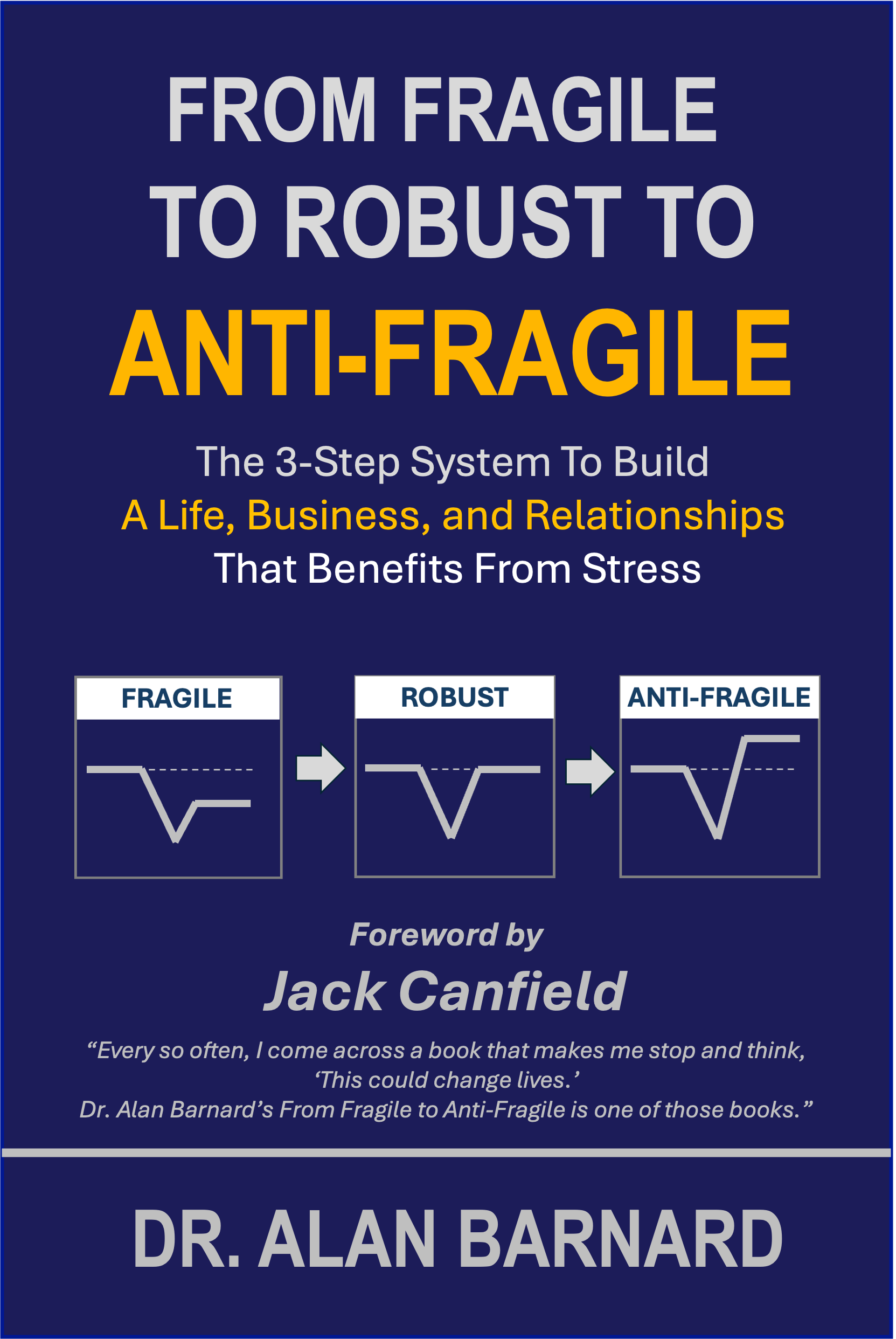 From Fragile to Robust to Anti-FragileThe 3-Step System to Build a Life, Business, and Relationships That Benefits from Stress
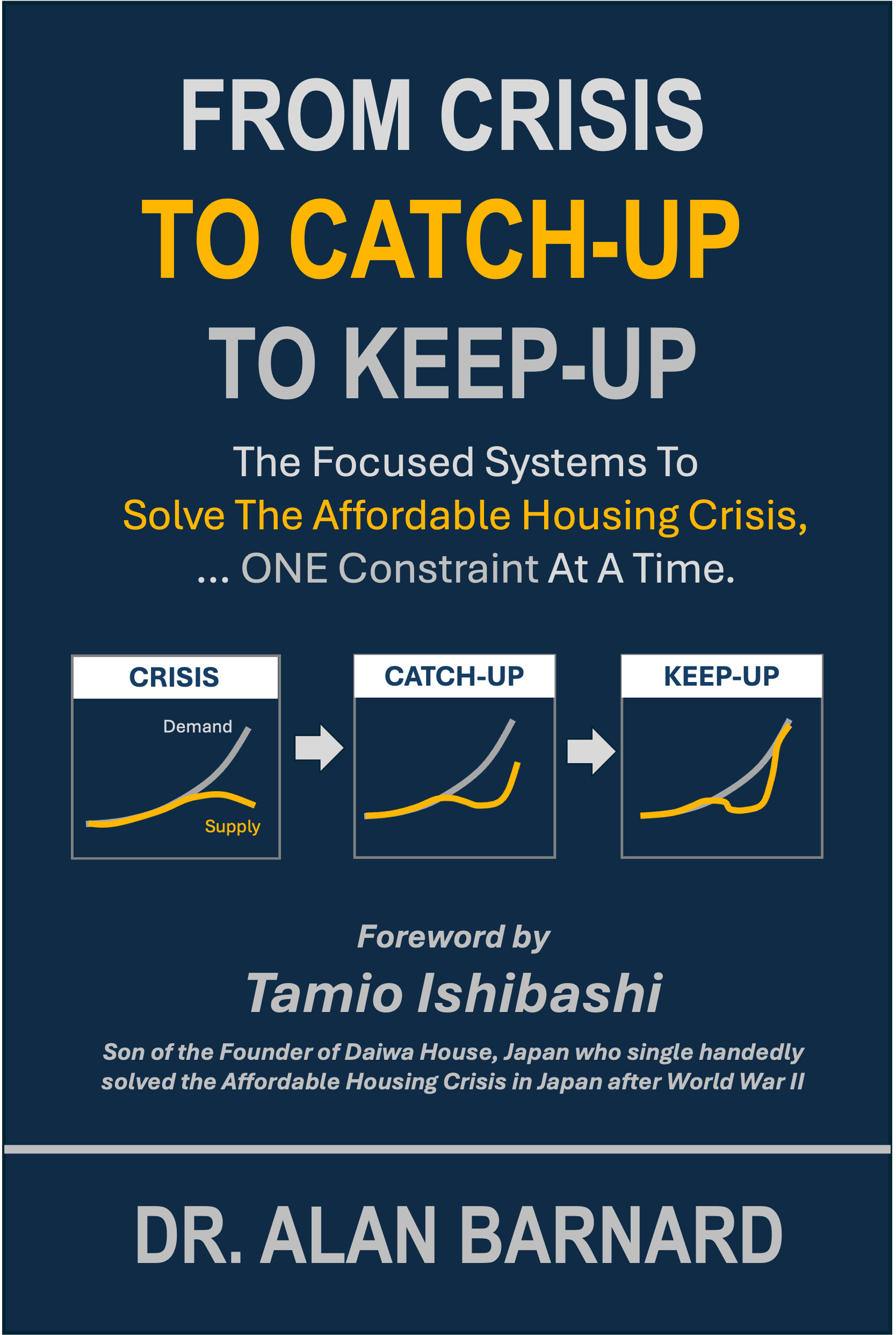 From Crisis to Catch-Up to Keep-UpThe Focused Systems to Solve the Affordable Housing Crisis, ... ONE Constraint at a Time.
 My Impossible DecisionJason Learns How to Make Impossible Decisions
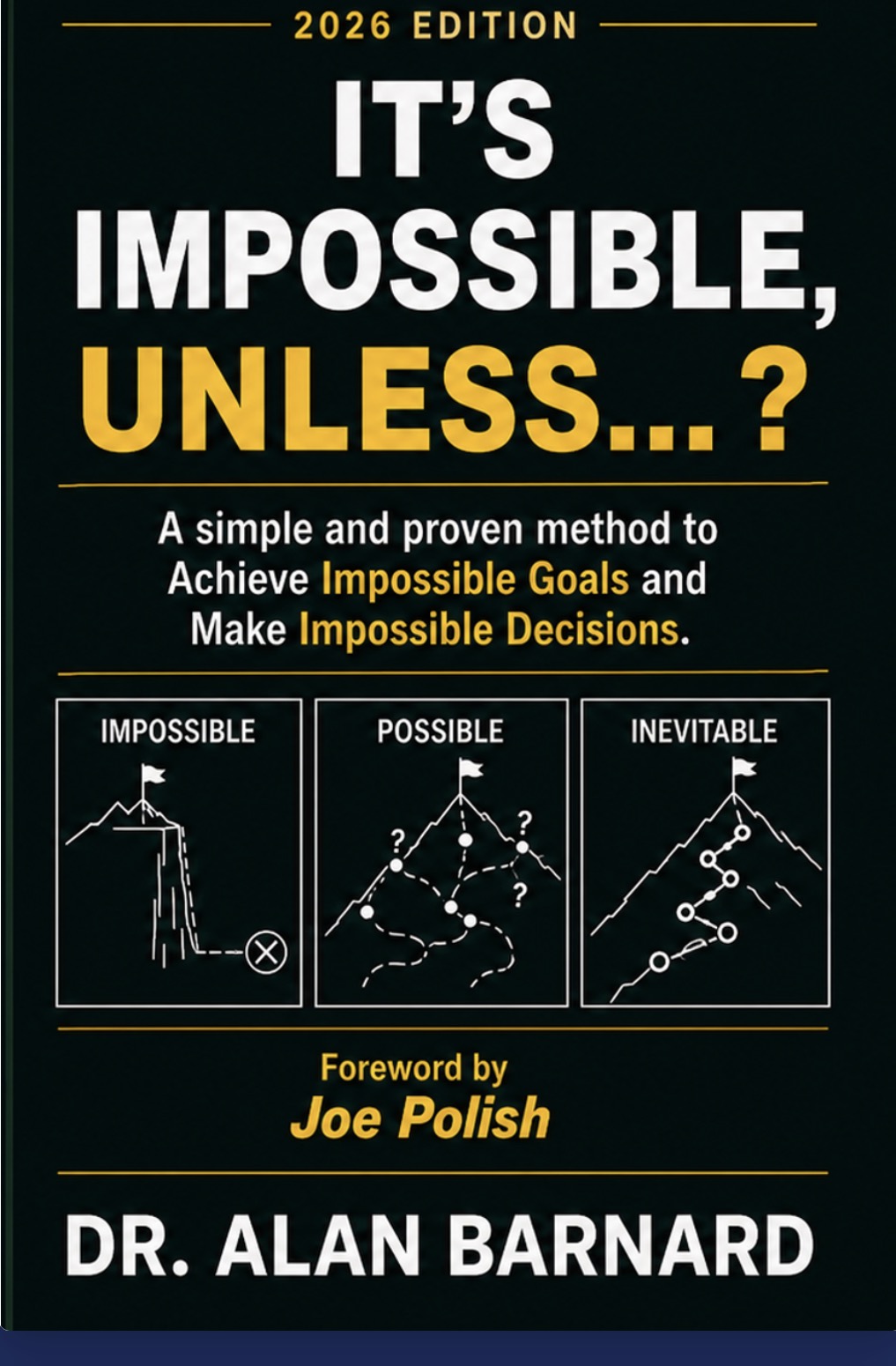 It’s Impossible, Unless...?A Simple and Proven Method to Achieve Impossible Goals and Make Impossible Decisions.
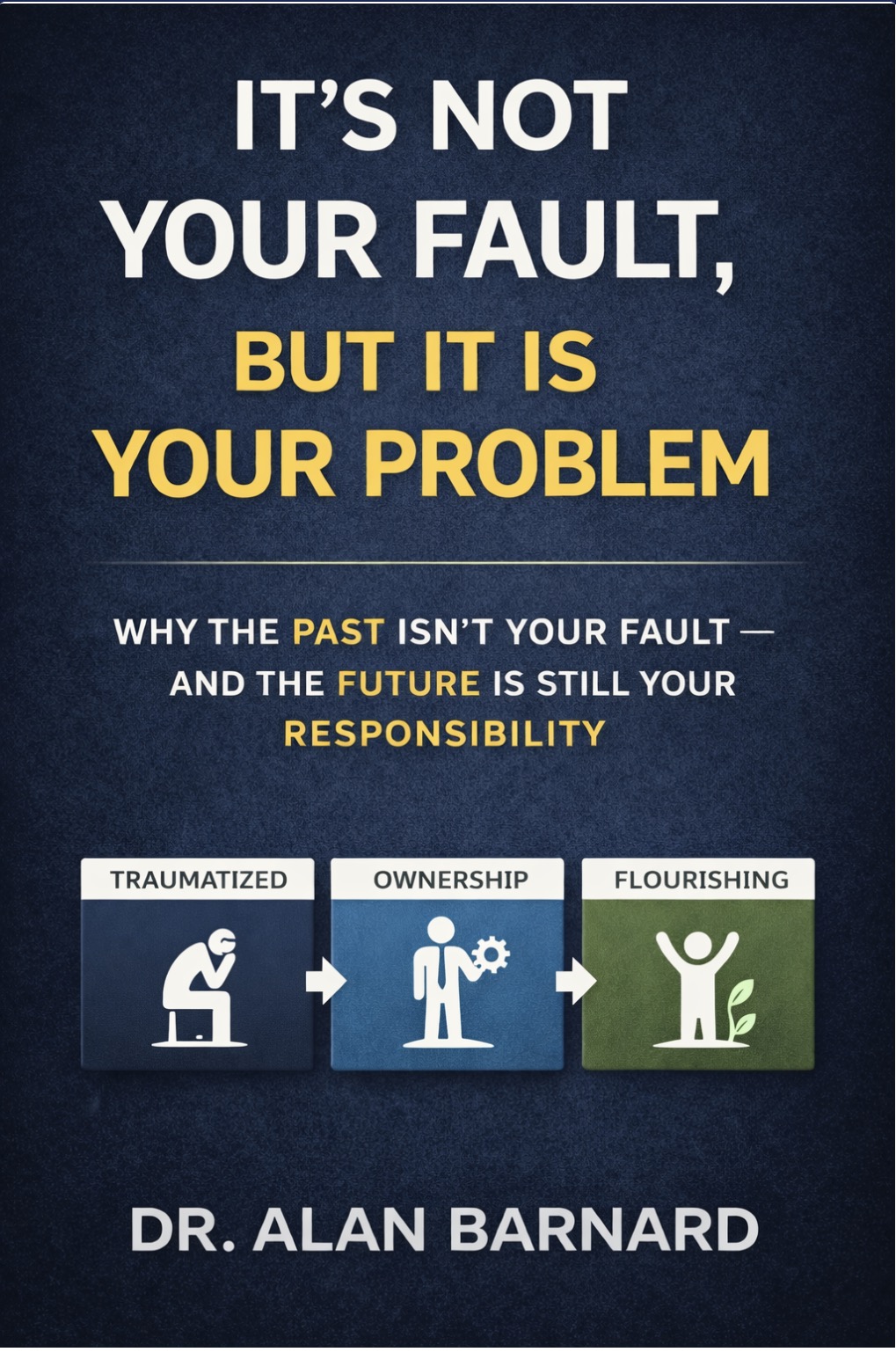 It’s Not Your Fault, But It Is Your ProblemWhy the Past Isn’t Your Fault and the Future Is Still Your Responsibility
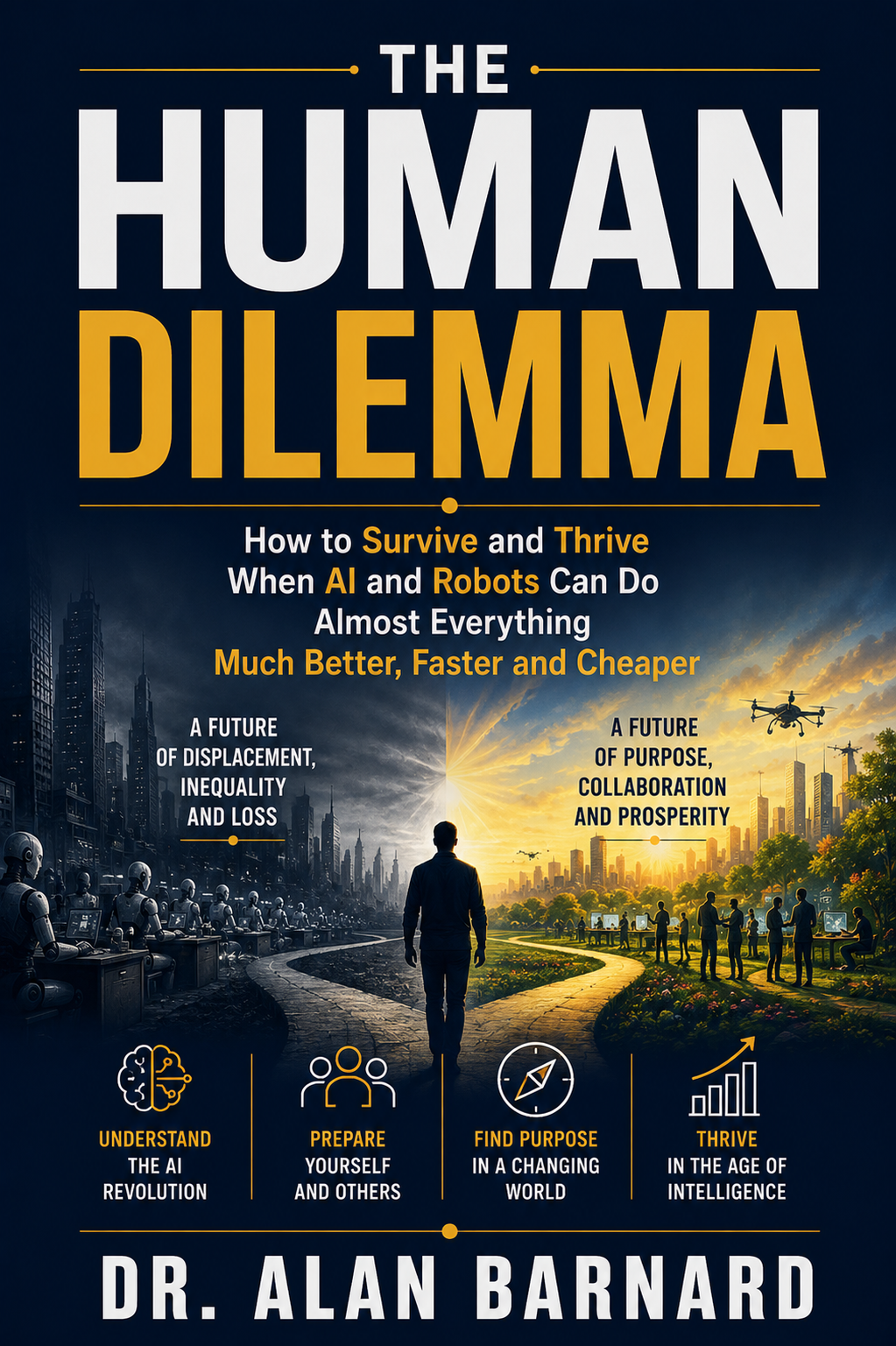 The Human DilemmaHow to Survive and Thrive When AI and Robots Can Do Almost Everything Much Better, Faster and Cheaper
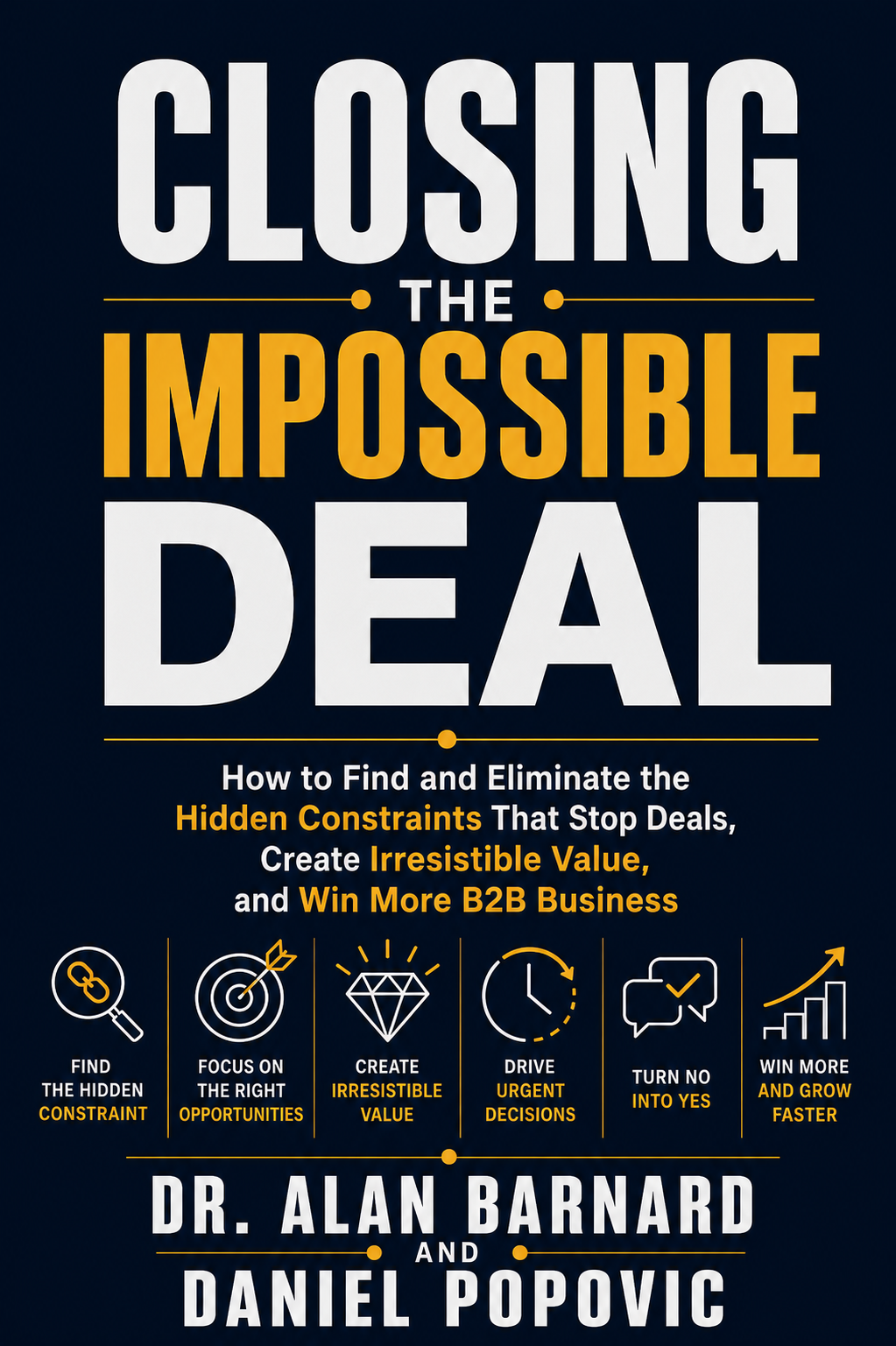 Closing the Impossible DealHow to Find and Eliminate the Hidden Constraints That Stop Deals, Create Irresistible Value, and Win More B2B Business
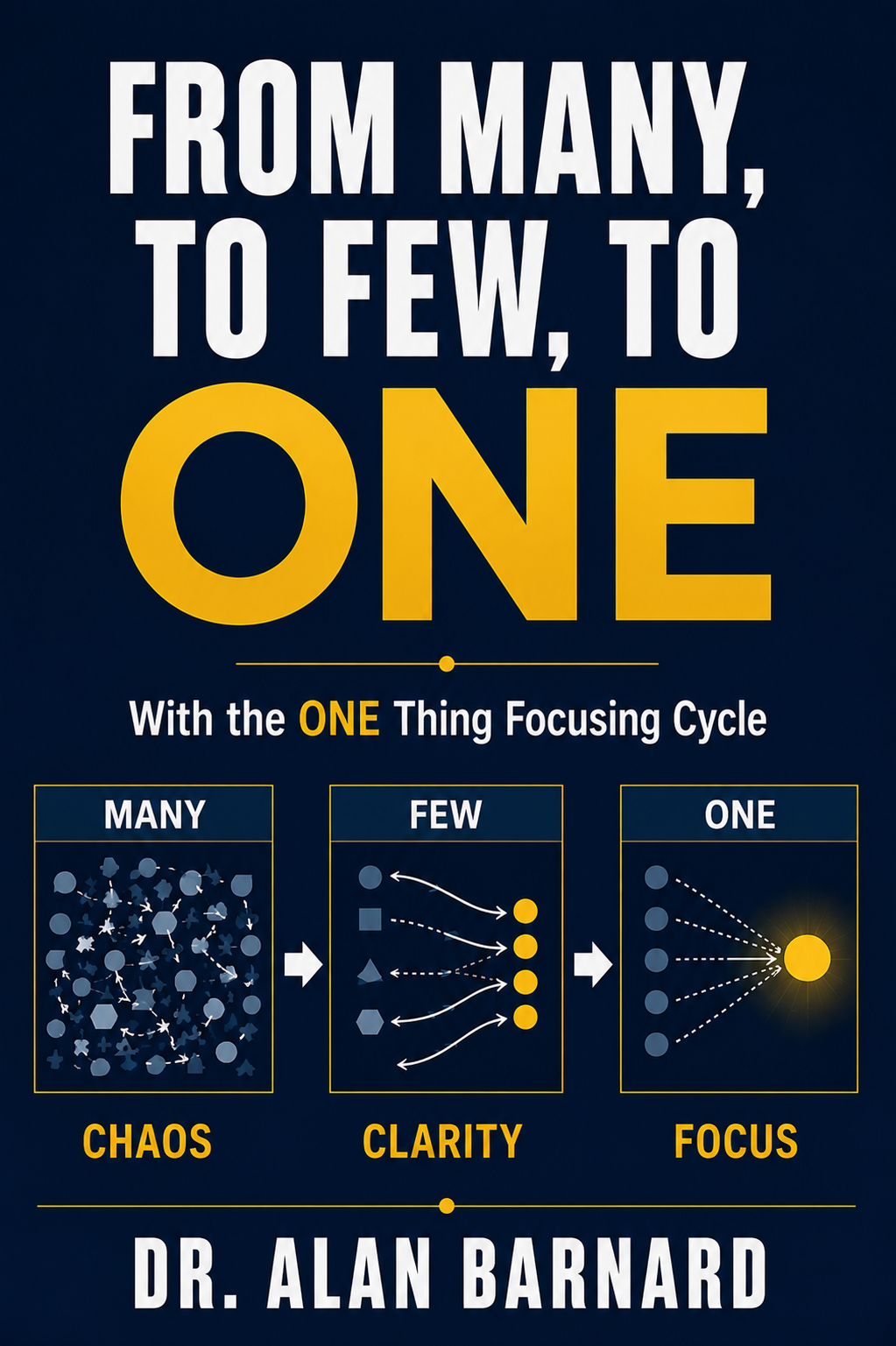 From Many, to Few, to ONEWith the ONE Thing Focusing Cycle
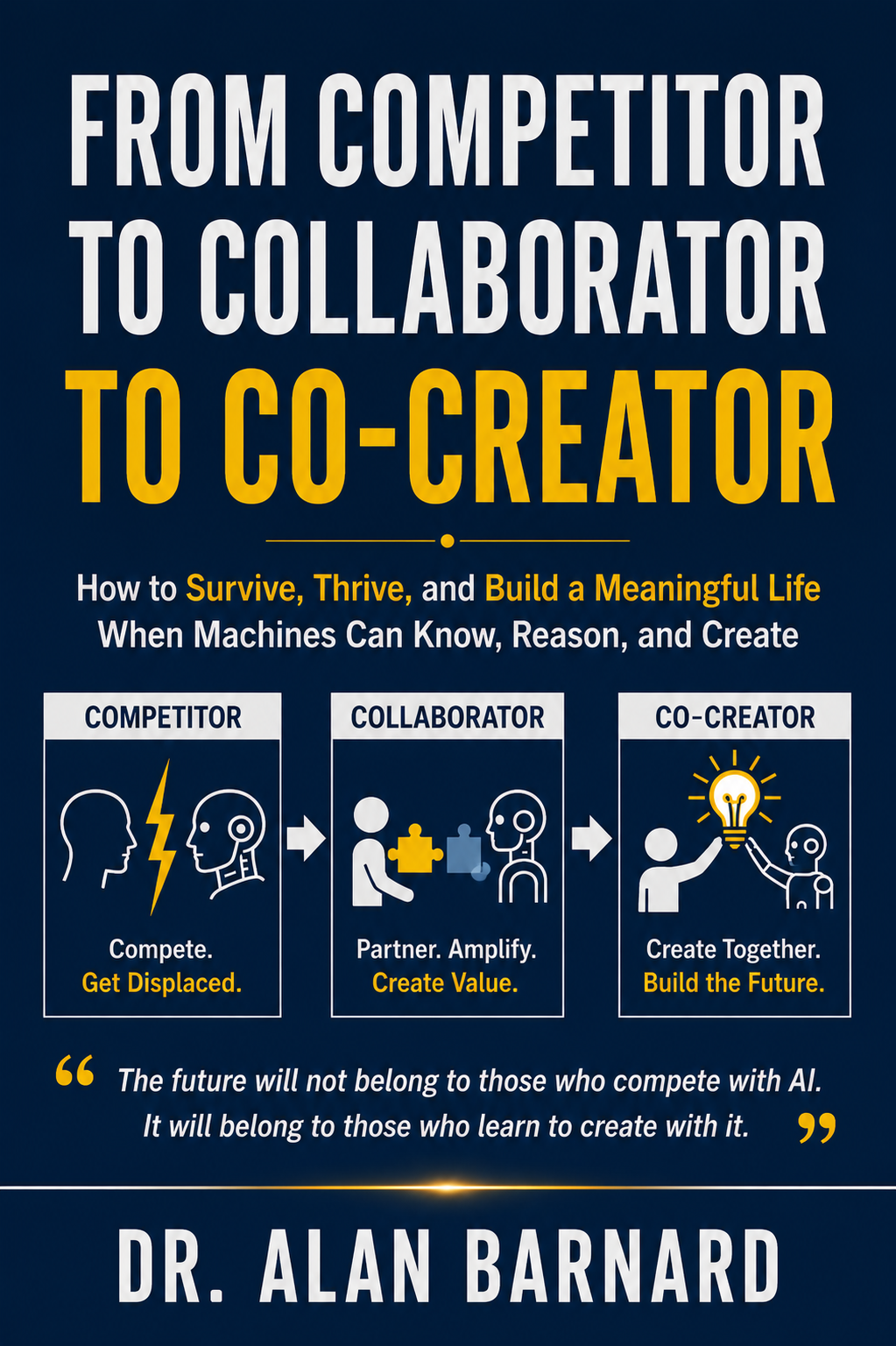 From Competitor to Collaborator to Co-CreatorHow to Survive, Thrive, and Build a Meaningful Life When Machines Can Know, Reason, and Create
Dr. Alan Barnard also wrote the forewords for Throughput Economics, ERA III Medicine and Scale Not Fail.
Beyond the lab
We don't think so.
The same question, what is the ONE thing to focus on next, works for a leader, a student, a child and a patient.
So the work has grown into a family of initiatives.
Start a conversation
So, what is the ONE thing holding you back? Tell us your goal and what seems to stand in the way. Whether you lead a company, a government agency, an NGO or your own career, our team will reply within 48 hours with a first view of where to focus.